Doors & hardware · 3 min read
Backyard gate won't latch? Check the gate before replacing the catch
A gate that drags across the path and a gate that swings freely but misses its catch need different questions before a replacement latch is ordered. Describe the movement as well as the lock. The repair assessment should include the gate, hinges and posts, not just the point where it fails to close.
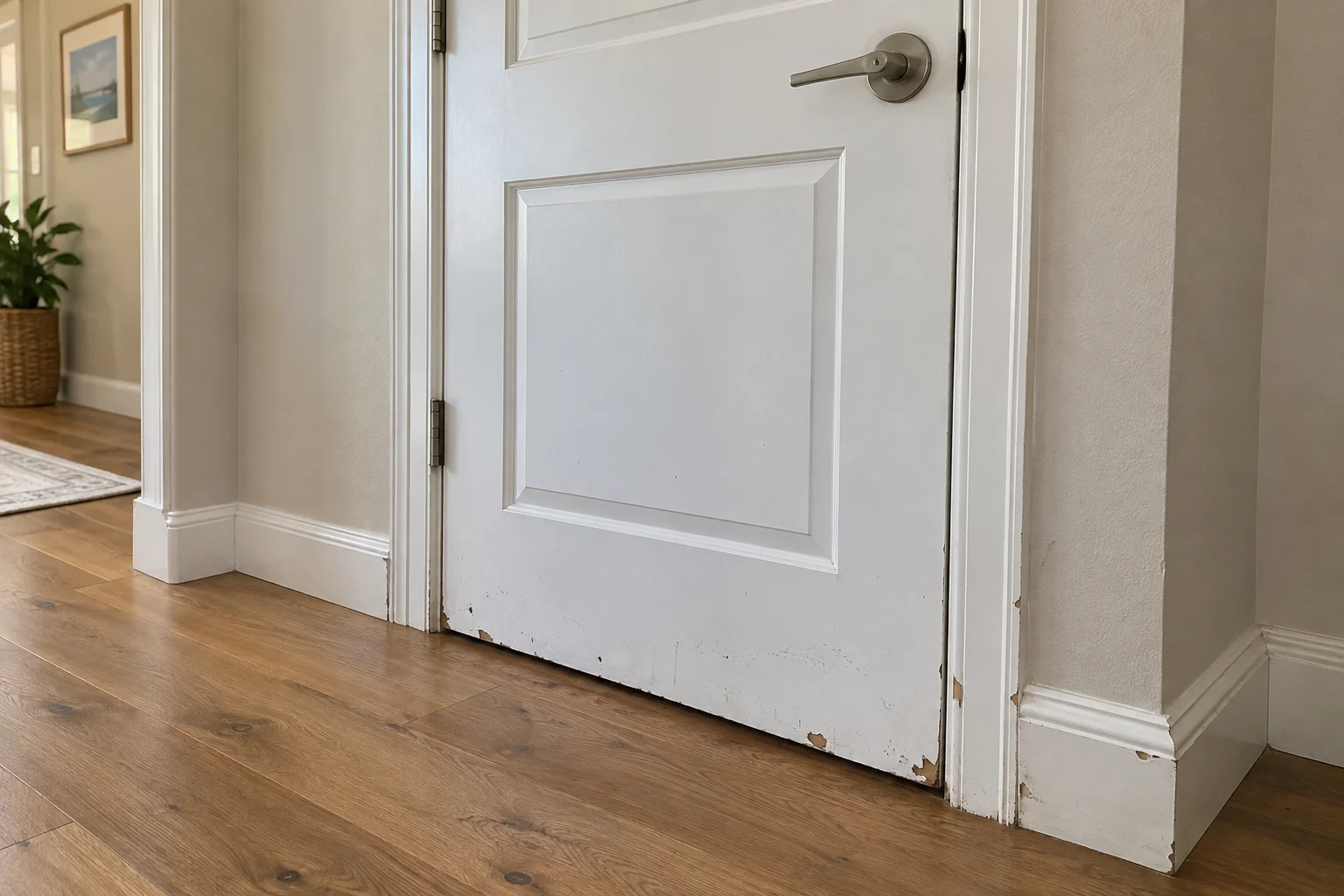
Describe where normal operation breaks down
Report whether the gate scrapes the ground, catches against a post, misses the latch opening or reaches the catch without staying shut. Mention if you have already had to lift or pull it sideways to close it, and whether the problem began after an impact or recent work. These observations are clues, not a diagnosis.
Do not force or lift a gate to demonstrate the fault. If it looks unstable or partly detached, stop using it and arrange assessment. This guide concerns manually operated yard gates; pool barriers, powered gates and dedicated security gates need specialist review.
Separate a latch adjustment from a gate repair
Ask whether the gate frame, hinge attachments and posts are sound before a latch-only adjustment is proposed. Photograph visible splits, damaged fastener areas, gaps and leaning posts without dismantling anything. A new latch should not be the assumed answer to every closing problem.
National Hardware sells its N166-004 Anti-Sag Gate Kit as adjustable bracing to correct or prevent gate sag. That illustrates a different repair category from replacing a catch; it does not establish that a bracing kit suits your gate. Have the condition and repair method confirmed first.
Match replacement hardware to the actual opening
Record the gate material, swing direction, post shape and existing product markings. Ask for the gate-to-post gap and available mounting space to be checked before ordering. D&D's LokkLatch PLUS, for example, specifies square-to-square mounting and a three-quarter-inch ideal gate gap, with vertical and horizontal adjustment. Those specifications belong to that model.
Also decide how you need to open the gate from each side. LokkLatch PLUS includes an external access button, but that feature should not be assumed for a different latch. Keep access requirements separate from choosing a matching color.
Include hinges and mounting repairs in the proposal
D&D advises choosing hinge fasteners for the gate material and notes that replacement TruClose hinges do not always reuse all the old holes. Its FAQ also warns that adding hinges beyond its tested pair can cause binding if alignment is compromised. Extra hardware is not a substitute for checking the correct hinge rating and fit.
Ask whether the proposal includes repairing damaged mounting areas, addressing unused holes and restoring disturbed finishes. Post replacement, rebuilding the gate or welding should be identified separately rather than silently included in a small hardware request.
Send photos that show the whole job
Include a full view of the gate and both posts, close-ups of the latch and hinge attachments, and the ground clearance. Add your city, the symptoms and any hardware you want retained. Coast & Craft can review the request; accepted scope, specialist needs and timing must be confirmed before a visit.
Sources & product details
Manufacturer instructions for your exact product take precedence over general planning guidance.