Painting · 3 min read
What should a room-painting estimate include?
A useful room-painting estimate names the surfaces, preparation, paint and finish work included in the price. It also says who clears the room and what happens if the walls need more work than expected. A total beside ‘paint bedroom’ leaves too many decisions open.
Name every surface and stopping point
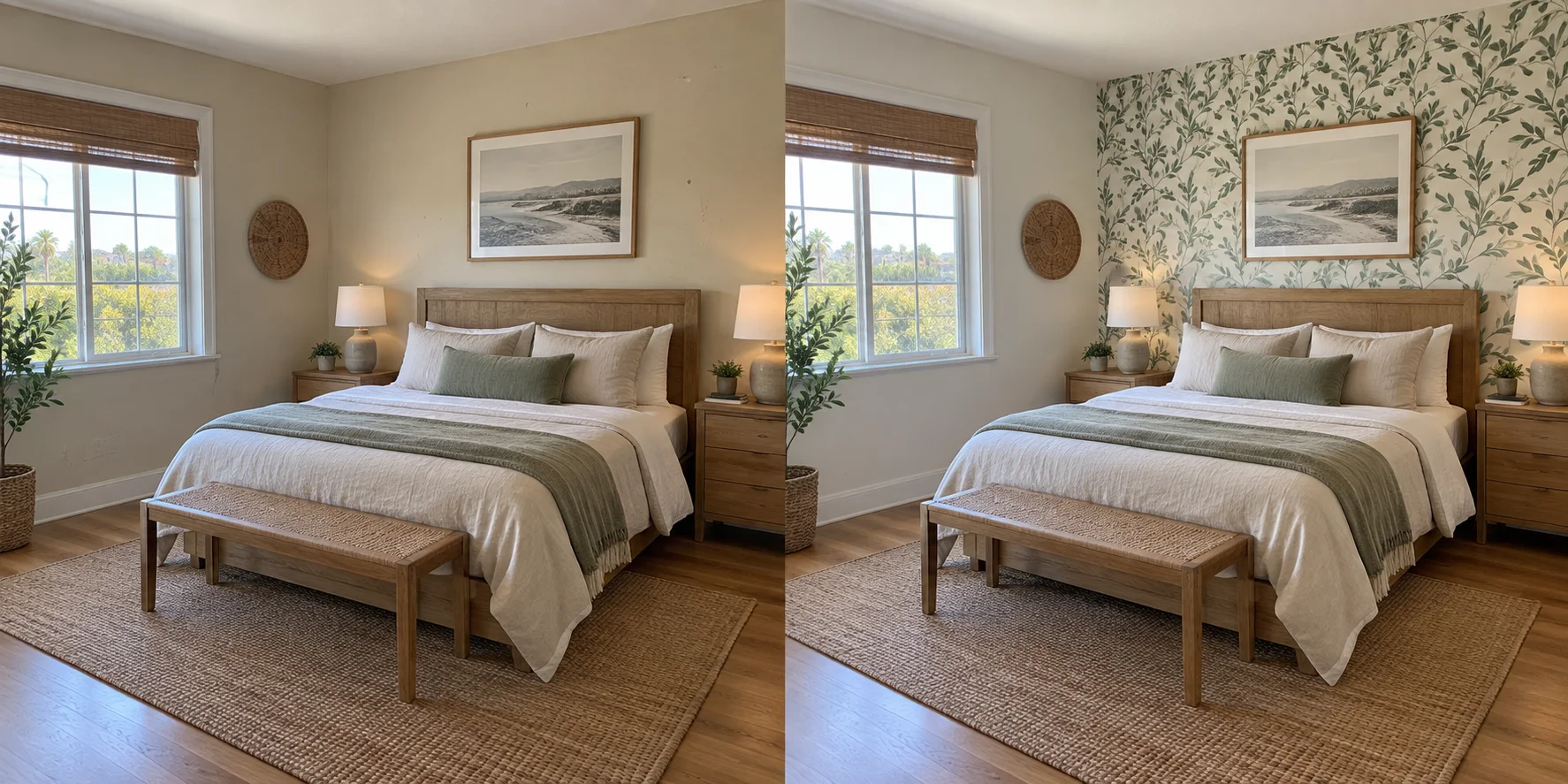
List the room and each included surface. Walls, ceiling, baseboards, door casings, doors and closet interiors can be separate work. For doors, specify which faces and edges belong in the request. Identify accent colors and where a color continues into a hallway or adjoining room.
Mark exclusions clearly. ‘Bedroom walls only; ceiling, trim and closet excluded’ gives you something concrete to compare. Include high ceilings, stairwells or other access complications in the description.
Turn ‘prep included’ into a short list
Ask which cleaning, small-hole repairs, patch finishing and priming are included, and identify larger damage separately. Clarify whether the intended result preserves the existing wall texture or includes broader smoothing. These are different finish expectations.
Benjamin Moore’s preparation guidance calls for checking the actual surface and letting cleaned walls dry before coating. It also identifies porous surfaces and stains as reasons to consider primer. Have the estimator explain the preparation appropriate to your walls. Report peeling finishes or unexplained dampness so their assessment is included before cosmetic work is agreed.
Specify the paint and planned coats
Record the manufacturer, product line, color and sheen for each surface, plus who supplies the materials. Identify any separate primer and where it will be used. ‘Premium paint’ does not tell you which product is included.
Ask for the planned number of finish coats and how any additional coverage will be handled. Benjamin Moore recommends two coats for full color development and performance in its paint-and-primer guidance, while allowing one or two on previously painted surfaces. That is product guidance, not a universal promise for every room. Confirm the selected system and how scope or price changes require agreement.
Agree on access, protection and timing
Put these responsibilities in writing so the room is ready when work begins:
- Who moves furniture and removes wall art, curtain hardware or shelving.
- Which floors, furnishings and nearby surfaces will be protected.
- Who reinstalls agreed items and returns furniture.
- Expected workdays, room access and any return visit.
Define what completion includes
The schedule should allow the chosen product’s drying intervals. Sherwin-Williams directs painters to the label for recoat times because products vary. Ask when furniture can return and when the finish can be cleaned, using the selected paint’s instructions.
Confirm removal of protection and project debris, a final walkthrough, and whether labeled leftover paint will stay with you. Send Coast & Craft your room list, desired finishes, known repairs and access needs together so the estimate can address the complete request.
Sources & product details
Manufacturer instructions for your exact product take precedence over general planning guidance.